



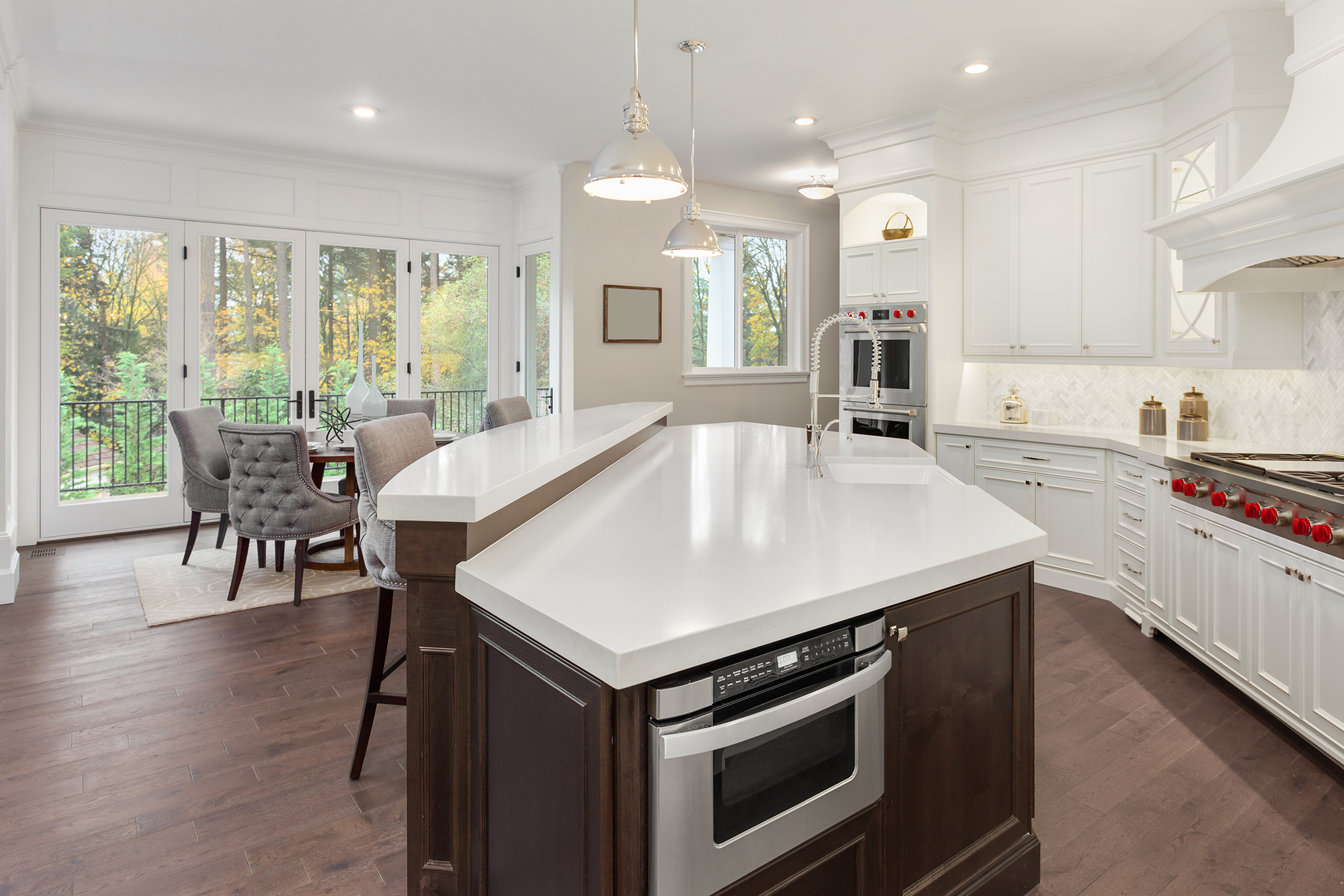
If you’ve gotten three flooring quotes in Houston and they don’t even look like they’re for the same house, you’re not imagining things. Flooring pricing is less like buying a product and more like buying a system: materials, prep, labor, risk management, and finishing details that determine whether your floor lasts or becomes a “why is it popping” mystery. To compare materials and understand what your quote should include, visit Carpet Giant at Houston, TX.
Step 1: Separate “material cost” from “installed system cost”
A flooring remodel budget should be built in layers:
Flooring material (tile, LVP, laminate, carpet)
Underlayment / adhesives / grout / trim
Prep (demo, leveling, moisture mitigation, subfloor repair)
Labor (installation complexity and layout)
Finish work (baseboards, transitions, stairs, moving appliances/furniture)
Most budget surprises come from #3 and #5.
The biggest cost driver in Houston: concrete slab realities
Many Houston homes sit on slabs that aren’t perfectly flat and may have moisture vapor emission issues.
Budget-impacting items:
Moisture testing: crucial for LVP/laminate/wood-based floors.
Leveling / floor prep: self-leveling compounds, grinding high spots, patching low areas.
Crack isolation membranes for tile to reduce cracking risk.
Hot take: the cheapest quote often assumes the slab is perfect. It rarely is.
Cost drivers by flooring type
Tile (highest variability)
Large-format tile needs tighter flatness standards and more prep time.
Layout patterns (herringbone, staggered plank-look) increase labor.
Grout type (epoxy vs cement) changes material cost and install complexity.
Underlayment/membrane choices affect long-term performance.
LVP
Click-lock vs glue-down changes labor and materials.
Leveling matters more than people think: floating floors telegraph dips and can fail at joints.
Stair work (nosing types) can add significant cost.
Laminate
Good laminate can be cost-effective, but moisture management and underlayment selection matter.
Trims and transitions become a bigger piece if you’re running it across multiple rooms.
Carpet
Carpet + pad is often straightforward, but quality is in density, face weight, and pad selection.
Stairs, seams, and furniture moving can change labor quickly.
Demo and disposal: boring line item, real money
Removing old floors is not one-size-fits-all.
Tile demo is labor-heavy and noisy.
Glue-down floors can require scraping/grinding.
Disposal fees vary, and dust containment may be necessary for lived-in homes.
If your quote doesn’t specify demo scope, you’re likely comparing apples to mystery fruit.
Transitions and trim: the “death by a thousand details” category
These line items add up:
baseboard removal/reinstall vs new baseboards
quarter-round decisions
door undercuts
reducer strips at height changes
stair noses and landings
appliance moves (fridge, range)
vanity removal (sometimes required for continuous floors)
A good quote should name these, not hide them.
Prep allowances: how to avoid the most common surprise change order
Ask for:
a defined floor flatness assessment and what they’ll do if it fails
moisture testing results and mitigation plan if needed
an allowance or unit price for leveling (per sq ft) so you can budget worst-case
If the contractor won’t discuss prep in detail, that’s a risk signal.
A practical budgeting framework for Houston homeowners
When budgeting, set ranges instead of a single number:
Best-case: minimal demo, flat slab, simple layout, minimal transitions
Typical: some leveling, standard demo, normal trim work
Risk-case: moisture mitigation, major leveling, stairs, pattern layout, multiple transitions
This approach keeps you from “budgeting for luck.”
Where to spend more
Worth spending more on:
prep and leveling
moisture mitigation when required
durable grout/underlayment systems in high-risk zones
stair finishing details
Where overspending often happens:
chasing ultra-premium surface visuals while ignoring prep
buying “thicker” underlayment without matching the system requirements
A Houston flooring remodel budget is really a plan for performance: prep quality, moisture risk control, installation method, and finishing details that make the floor feel clean and complete. If you want a quote that’s transparent about prep, transitions, and true installed cost, contact Carpet Giant or visit us to plan your project. We proudly serve Houston, Kingwood, Spring, Sugar Land, West University, Katy, Meyerland, Cypress, Bellaire, Jersey Village, Missouri City, Pearland, Friendswood, League City, Deer Park, Tomball, Baytown, Memorial, Garden Oaks, Heights, and Clear Lake .


